When you’re ordering hampers in bulk for a corporate event, a charity drive, or a festive holiday spread, the temptation to “just in case” buy more than you need is strong. But the phrase “avoid over‑stocking and waste in bulk hamper orders” is not just a marketing buzzword—it’s a practical strategy that saves money, reduces environmental impact, and keeps your brand looking sharp. Let’s unpack the steps, pitfalls, and little tricks that can help you keep your hamper game on point.
The Anatomy of a Bulk Hamper Order
Before you can master the art of avoiding excess, you need to understand what goes into a bulk hamper. Think of it like building a pizza: the dough (base hamper), sauce (primary items), cheese (secondary items), and toppings (extras). If you pile on too many toppings, the pizza becomes soggy and hard to eat—exactly what happens when you over‑stock hamper items.
Core Components
- Base hamper – the container or basket that holds everything. Size matters; a 12‑inch basket can fit a generous assortment, but a 10‑inch one forces you to cut corners. Primary items – the star of the show (e.g., a gourmet chocolate bar, a bottle of wine, a luxury candle). These are the items that justify the hamper’s existence. Secondary items – supporting roles (e.g., a small jar of jam, a sachet of tea). They add value but aren’t essential. Extras – the “sprinkles” (e.g., a decorative ribbon, a personalized note). They can make or break the presentation.
Common Mistakes That Lead to Waste
- Over‑estimating demand – ordering more hampers than needed because of a vague “just in case” mindset. Ignoring shelf life – including perishable items that expire before the hamper is delivered. Failing to segment – sending the same hamper to all recipients, regardless of preferences or dietary restrictions. Not tracking inventory – buying items in bulk without knowing how many are actually used or discarded.
Planning: The First Line of Defense
A well‑planned order is the difference between a lean, efficient hamper and a cluttered, waste‑filled one. Think of planning as the GPS for your hamper journey—without it, you’ll end up lost in a maze of unused goodies.
1. Define Your Objective
Ask yourself: What is the purpose of this hamper? Is it a thank‑you gift, a holiday present, or a corporate incentive? The answer will dictate the appropriate size, content, and quantity.
2. Know Your Audience
Gather data on the recipients. If you’re sending hampers to employees, consider their dietary preferences and cultural backgrounds. For a charity, you might want items that can be donated or used by the community.
3. Set a Realistic Quantity
Use historical data or past order volumes to estimate the number Premium wine hampers of hampers needed. A simple rule of thumb: start with a 10% cushion, not a 50% one. If you’ve ordered 100 hampers last year, a 110‑unit order is a safer bet than 150.
4. Create a Checklist
A checklist ensures you don’t miss critical steps. Example:
- Choose hamper size and material Select primary items (max 3 per hamper) Pick secondary items (max 2 per hamper) Add extras (if any) Verify shelf life of all items Confirm delivery timeline
Selecting Items: Quality Over Quantity
When you’re tempted to fill every hamper with every item you can find, remember that a cluttered hamper feels like a cluttered mind. Curate thoughtfully.
Prioritize Essentials
- Primary items should be the highlight; limit to 2‑3 per hamper. Secondary items should complement, not overwhelm. Aim for 1‑2 per hamper. Extras are optional; use sparingly to avoid excess.
Check Expiry Dates
For perishable goods, double‑check expiration dates. A 30‑day shelf life may seem plenty, but if delivery is delayed, you’re left with a sad, stale product.
Opt for Re‑usability
Choose items that recipients can reuse—think high‑quality glass jars, wooden utensils, or reusable shopping bags. These add perceived value and reduce waste.

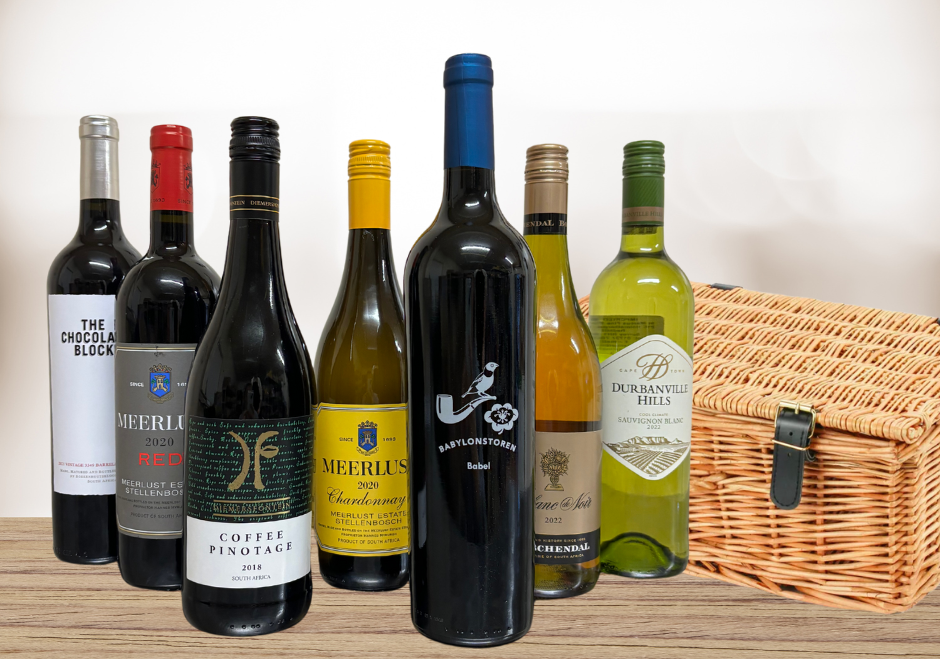
Consider Portion Sizes
Instead of a full bottle of wine, a 250‑ml mini bottle may suffice for a hamper. The same applies to chocolate bars: a 100‑gram bar can be more appropriate than a 200‑gram one.
Logistics: From Warehouse to Recipient
Even a perfectly curated hamper can become wasteful if logistics go awry. Think of logistics as the delivery truck that must keep the cargo intact.
1. Packaging Matters
- Use sturdy, recyclable packaging materials. Avoid excessive padding; it adds weight and cost. Label each hamper clearly to prevent mix‑ups.
2. Timing is Key
Schedule deliveries to match the event or holiday. Late deliveries mean items may spoil or lose relevance.
3. Track Inventory
Maintain a real‑time inventory system. If a hamper is canceled or returned, adjust orders promptly to avoid over‑stocking.
Handling Surplus: Turning Waste into Opportunity
Sometimes, despite careful planning, you’ll end up with surplus Wine and gourmet food baskets items. Don’t let them go to waste—turn them into an opportunity.
Donation
- Partner with local shelters or food banks. Ensure donated items meet safety standards.
Re‑packaging
- Create smaller “sample” hampers for internal use or promotional giveaways. Bundle surplus items into a single “surplus” hamper for a discount.
Recycling
- Recycle packaging materials. Compost organic waste where possible.
A Light‑Hearted Look Back: The “Hamper Hoarder” Anecdote
I once worked with a client who, after a successful product launch, decided to order 500 hampers for a post‑launch celebration. The hamper designer, eager to impress, added every item they could think of: artisanal cheese, a luxury perfume, a tiny cactus, and even a mini‑piano. By the time the hampers arrived, the cactus had wilted, the perfume had evaporated, and the mini‑piano was too heavy to fit in the standard basket. The client’s staff ended up laughing, realizing that “over‑stocking and waste in bulk hamper orders” can turn a celebratory gesture into a logistical nightmare. Moral: a little restraint goes a long way.
A Wise Quote to Remember
> “It is better to give a little than to give a lot and waste.” – Anonymous
This quote captures the essence of mindful hamper ordering: quality and relevance trump quantity.
Questions to Ponder
- How well do you know your recipients’ preferences? Are you confident that your chosen items will stay fresh until delivery? Could you repurpose any surplus items instead of letting them go to waste?
The Final Checklist Before You Click “Order”
- [ ] Have you defined the hamper’s purpose? [ ] Do you know the exact number of recipients? [ ] Have you selected a balanced mix of primary, secondary, and optional items? [ ] Are all items within their shelf life? [ ] Have you chosen reusable, eco‑friendly packaging? [ ] Is the delivery schedule aligned with the event?
Making Your Bulk Hamper Order Count
By following these steps, you can confidently avoid over‑stocking and waste in bulk hamper orders. Remember, a well‑planned hamper is like a well‑tuned orchestra: each instrument (or item) plays its part, creating harmony rather than cacophony. Not only will you save money and reduce environmental impact, but you’ll also deliver a memorable experience that resonates with recipients.
Now, take a breath, review your checklist, and place that order with the confidence that you’re not just giving a hamper—you’re giving a thoughtful, sustainable gesture that reflects your brand’s values.